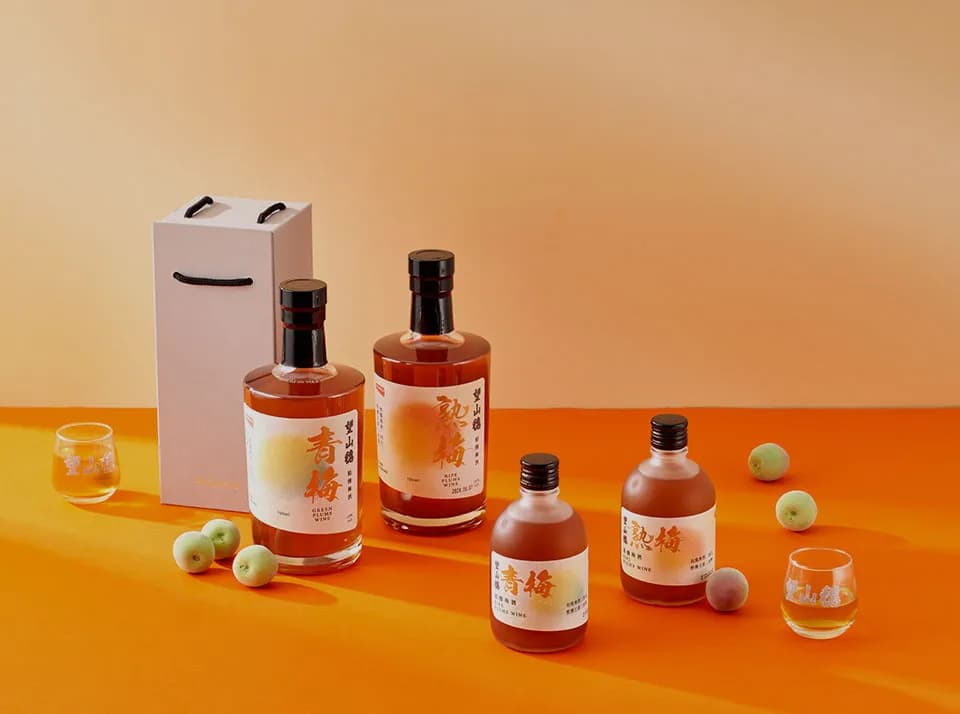
Tomu Wine pairs organic Hualien millet with Japanese sake craft to create clear, aromatic millet sake, sparkling wine, plum wine, and fruit-led expressions.
Food & Beverage$$Gift Boxes
Food and beverage covers edible ingredients, prepared foods, and drinks. Formoria groups brands by their main products and tags, keeping tea, coffee, snacks, and regional flavours distinct. A food brand may be defined by its ingredients, source, recipe, processing method, or family practice. This category does not imply that every ingredient or product is Taiwan-made; listings show the brand's Taiwan connection and point to public information about origin and production.
Tomu Wine pairs organic Hualien millet with Japanese sake craft to create clear, aromatic millet sake, sparkling wine, plum wine, and fruit-led expressions.
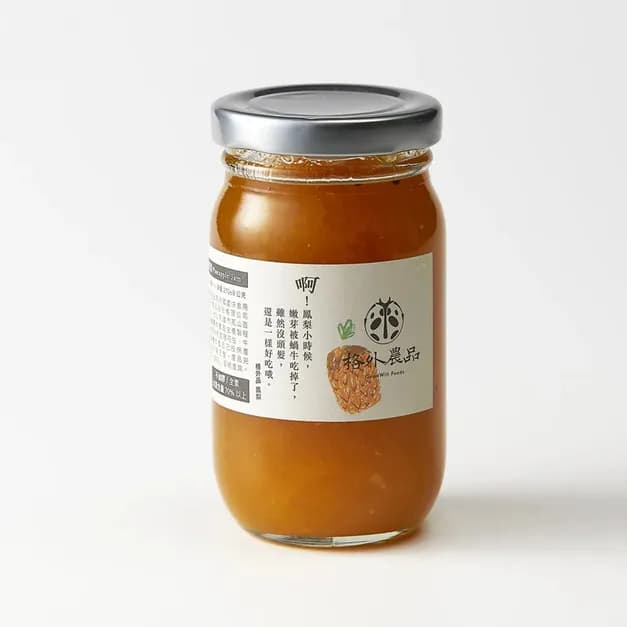
Farmy Life connects Pingtung farms, traceable produce, food education, and corporate ESG through teas, dried flowers, and local gift products.

Who’s Melon grows green-fleshed melons in Yunlin and turns them into Taiwan’s only small-batch green melon fruit wine.

Favorland turns Huwei rice, water and local crops into Taiwanese rice whisky, rum and brewing vinegar at its own distillery.
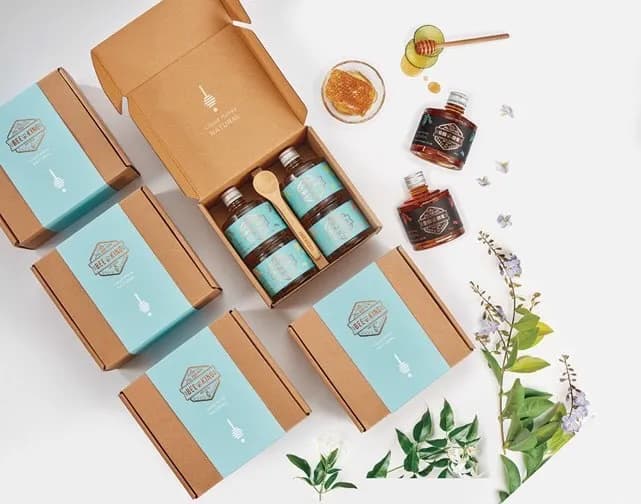
Three generations of beekeepers in Yunlin craft longan, lychee and native acid vine honey through seasonal, self-managed production.
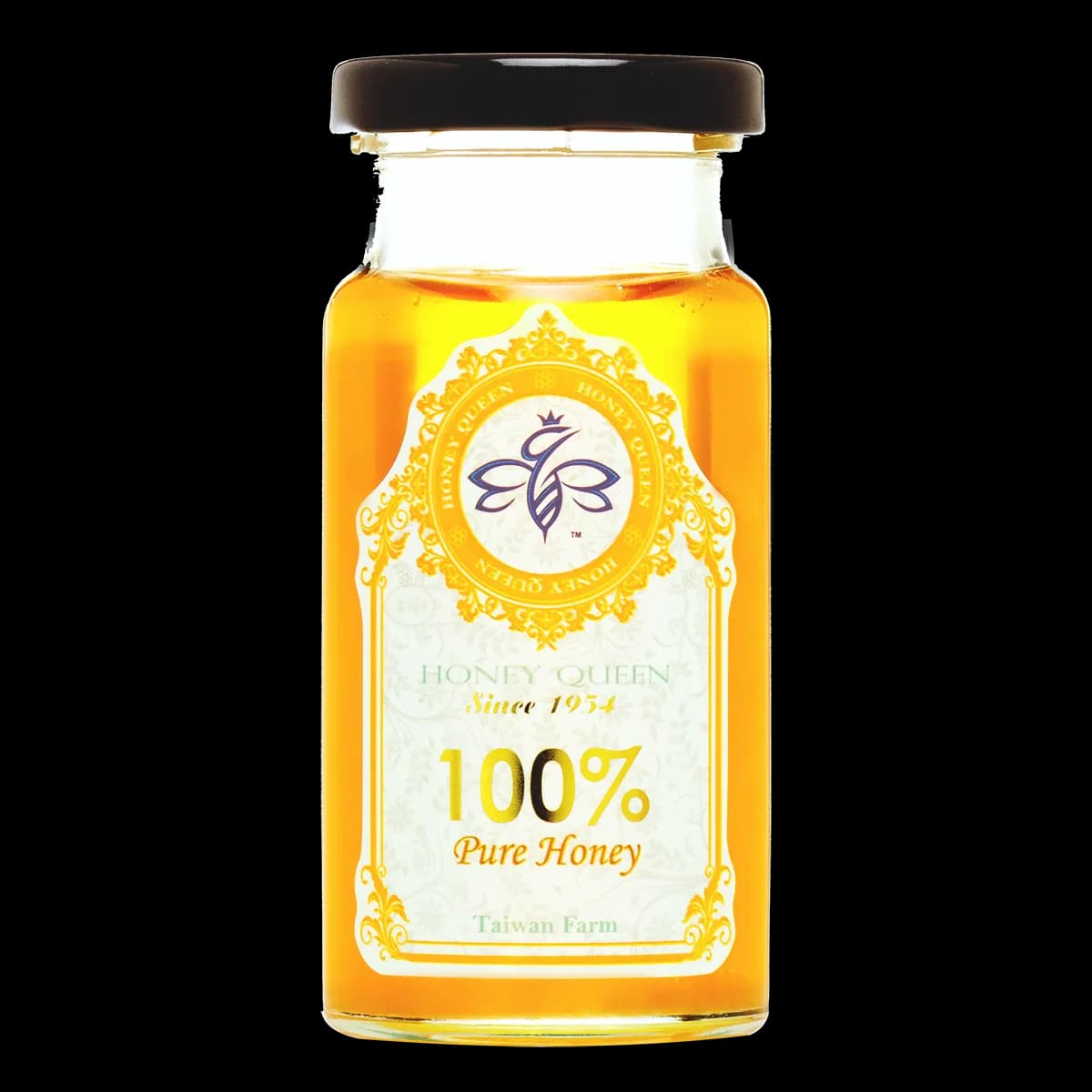
Honey Queen offers pure Taiwanese honey, seasonal single-flower varieties, honey drinks, pollen, and royal jelly, harvested in rhythm with the bees.
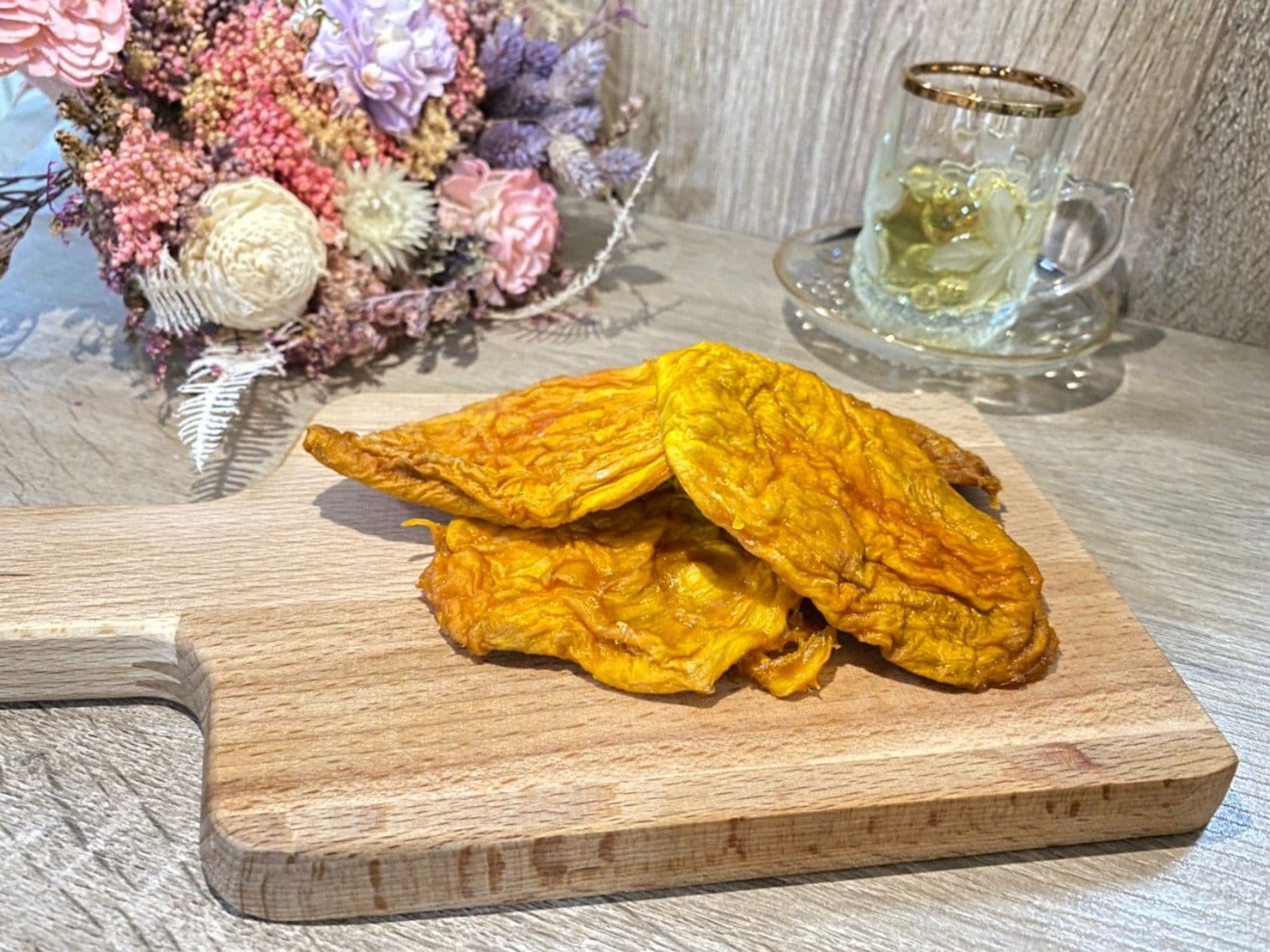
Rih Cing Mango focuses on Fangshan Irwin mangoes, dried fruit products, and the seasonal work behind each harvest.

Founded by pharmacists in 1990, Earsun makes nutrition powders with 100% New Zealand milk and pharmaceutical standards, spanning propolis goat milk, growth, adult and senior formulas.
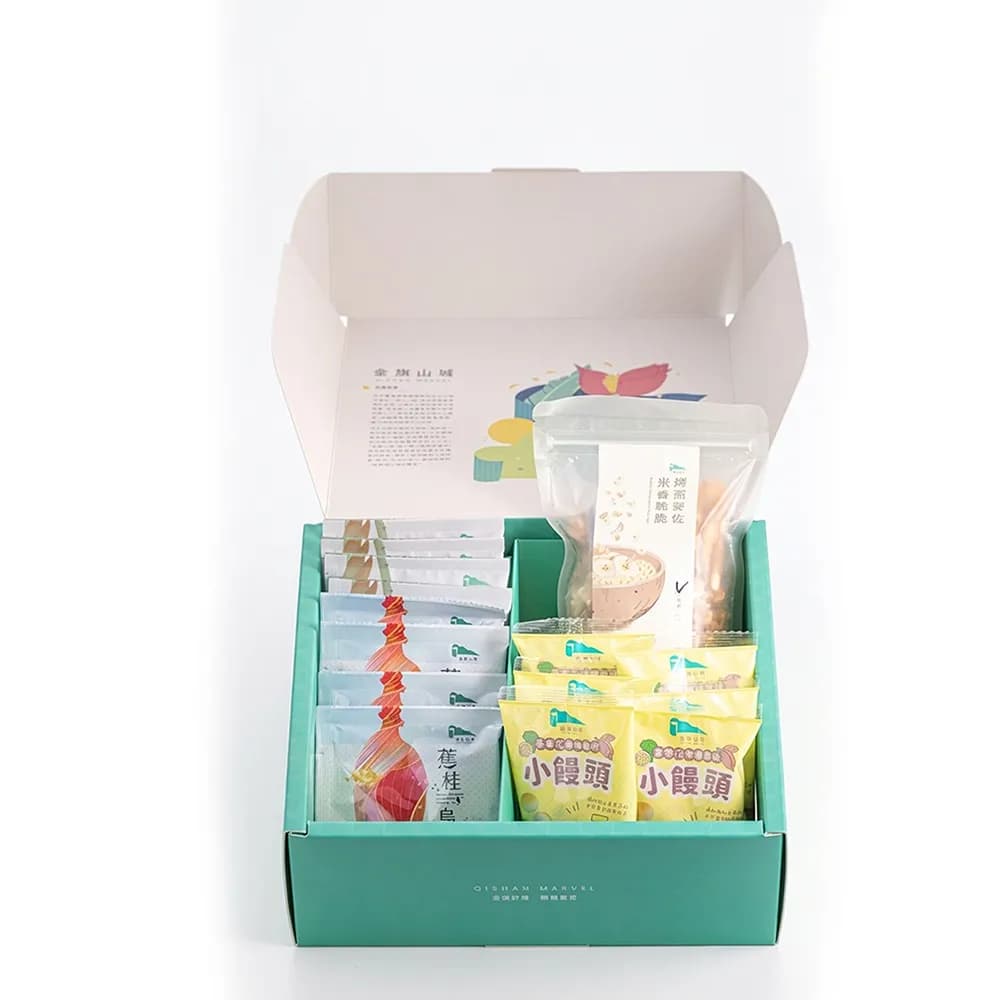
Qishan Marvel turns sugar-factory history and whole-plant banana use into local foods, environmental learning and hands-on rural experiences.
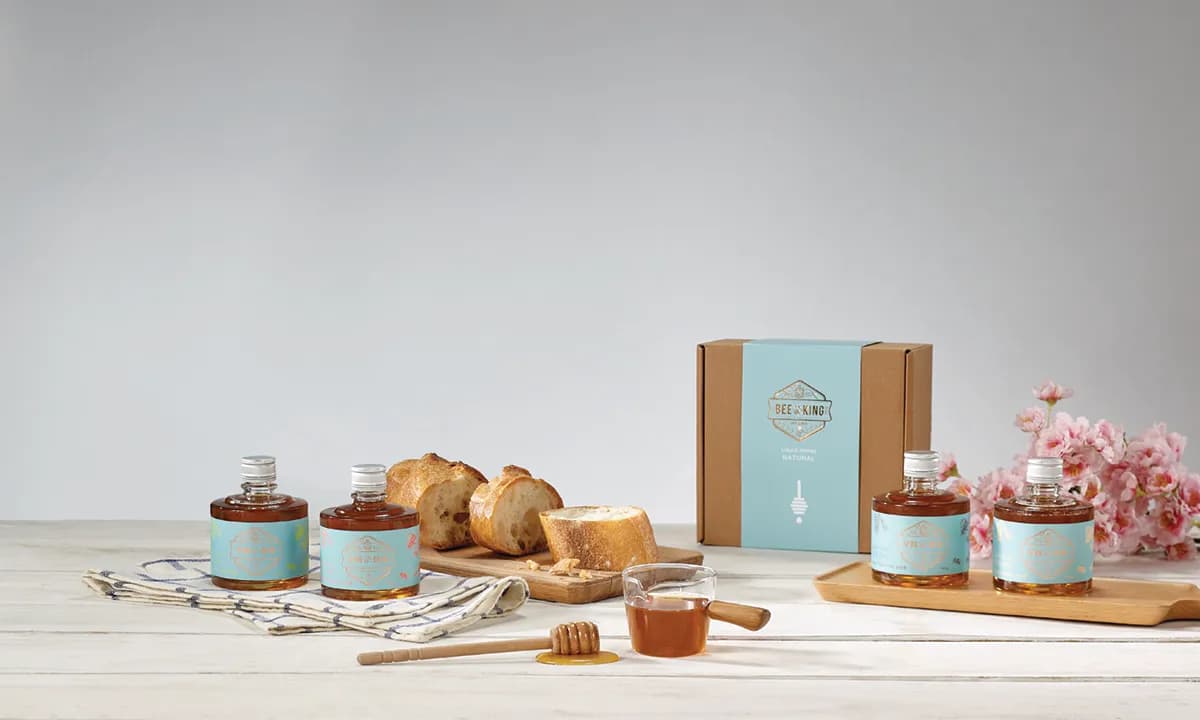
Rooted in Chiayi beekeeping since 1915, Amai 1915 offers Taiwanese longan and wildflower honey, gift sets, and honey tasting experiences.